Making Waves: Antenna Theater’s Walk-Through Retrospective at Falkirk (1994)
In spring 1994 Antenna Theater turned the upstairs rooms of a Victorian mansion in San Rafael into a walk-through of its own past. Making Waves marked Chris Hardman’s LifeWork award from the Falkirk Cultural Center, and visitors toured it with a Walkman tape and a pair of mirror glasses. Two reviews from April 1994, reprinted on the company’s former website, are the main record. No photograph of the show survives in the site’s archive.
Quick answer
What was Making Waves?
Making Waves was a 1994 retrospective of Chris Hardman and Antenna Theater at the Falkirk Cultural Center in San Rafael, California. Visitors toured the mansion’s upper floor with a Walkman tape and mirror glasses, meeting masks, puppets, photographs and re-created scenes from the company’s past productions.
A retrospective you had to walk through
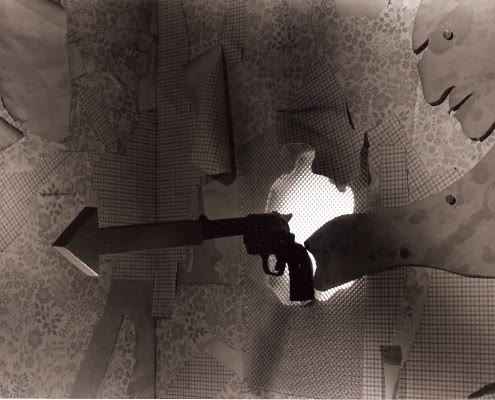
Antenna’s own page called the show a “combination of theater, installation art, and historical retrospective”, with “artifacts, photographs, masks, puppets, video, audio, and interactive elements” taking visitors through Hardman’s work up to 1994. It was a Chris Hardman retrospective with the company’s methods built in: you did not look at the past, you walked through it.
Falkirk’s award series usually meant “compact mid-career retrospectives of Marin County artists,” wrote Mark van Proyen in Artweek. This one was chosen, he noted, by “guest curator Cameron Cartiere and Falkirk Director Carol Adney”. The Pacific Sun’s Lee Brady added that Hardman “is currently the Artist of the Year at Falkirk Cultural Center”.
| Item | Detail | Source |
|---|---|---|
| Year | 1994 (both reviews date from April; exact run dates not found) | Company pages, Artweek, Pacific Sun |
| Venue | Upper floor of the 1888 Falkirk mansion, San Rafael | Artweek |
| Occasion | “4th Annual LifeWork Award”; also “Life Work Award Series” and “Life/Work award-exhibition” | Chronology, 2003 page, Artweek |
| Curators | Cameron Cartiere (guest), Carol Adney (Falkirk director) | Artweek |
| Format | Walkman tape plus mirror glasses | Artweek |
Antenna’s awards page lists the honour as the Falkirk award “for Outstanding Contributions to the Cultural Life of Marin County”. Artweek gave it to “Chris Hardman and Antenna Theater”; the company’s pages say it honoured Hardman.
The Dollar mansion
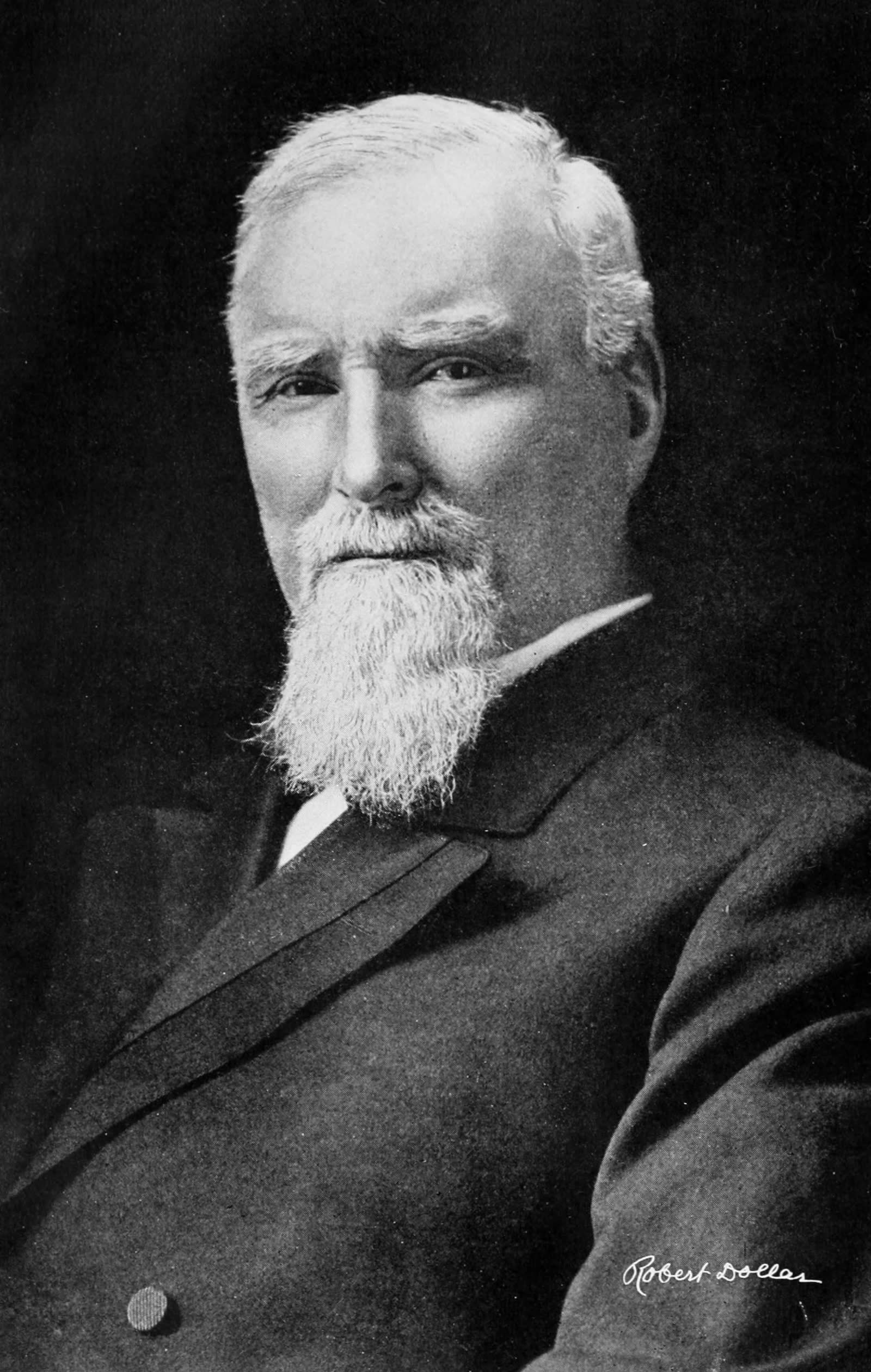
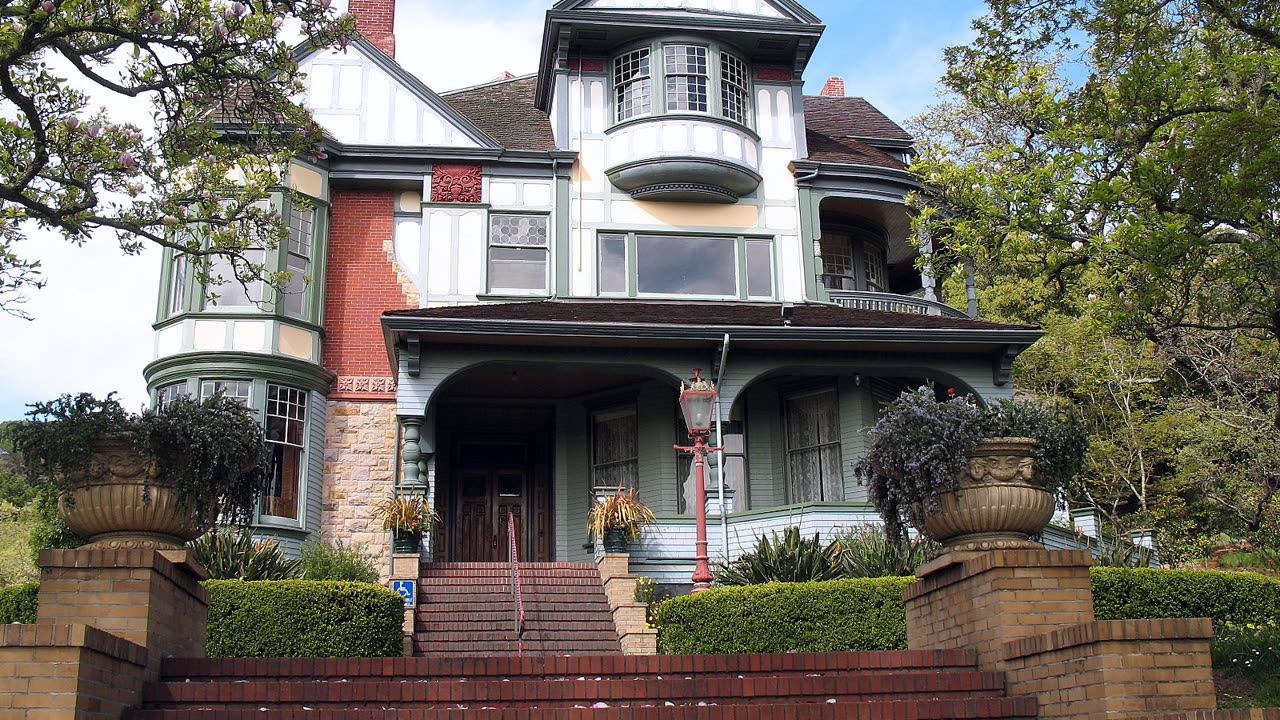
The house had its own history. The City of San Rafael records that it was “originally built in 1888 in San Rafael by Ella Nichols Park, a wealthy and reclusive young widow”, with seventeen rooms and three floors. “After Ella’s death in 1905, Captain Robert Dollar purchased the estate in 1906.” Dollar, a shipping owner born in Falkirk, Scotland, named the San Rafael mansion after his hometown, as the Marin History Museum tells it.
It nearly vanished. A 1972 development plan “included the destruction of the mansion”, and “In November 1974 voters approved a four-cent tax to allow for the purchase and maintenance of the estate.” Today the City of San Rafael owns and runs it as the Falkirk Cultural Center.
For an exhibition, van Proyen warned, the upper floor is “a space that is very difficult to transform.” His next words: “But transformed it has been”.
A Walkman and a pair of mirror glasses
Van Proyen described a guided tour of the mansion “subtly transformed into a reliquary goldmine full of allegorical portent by a spoken narrative with sound effects that each visitor/’audient’ hears on a Walkman tape distributed at the entrance”. He compared it with “the guided tours of blockbuster exhibitions that can be rented in the lobbies of major museums,” and reminded readers that Antenna made such tapes, as it had for the Alcatraz cellhouse audio tour. More on that trade is in the museum tour tapes Artweek compared it to.
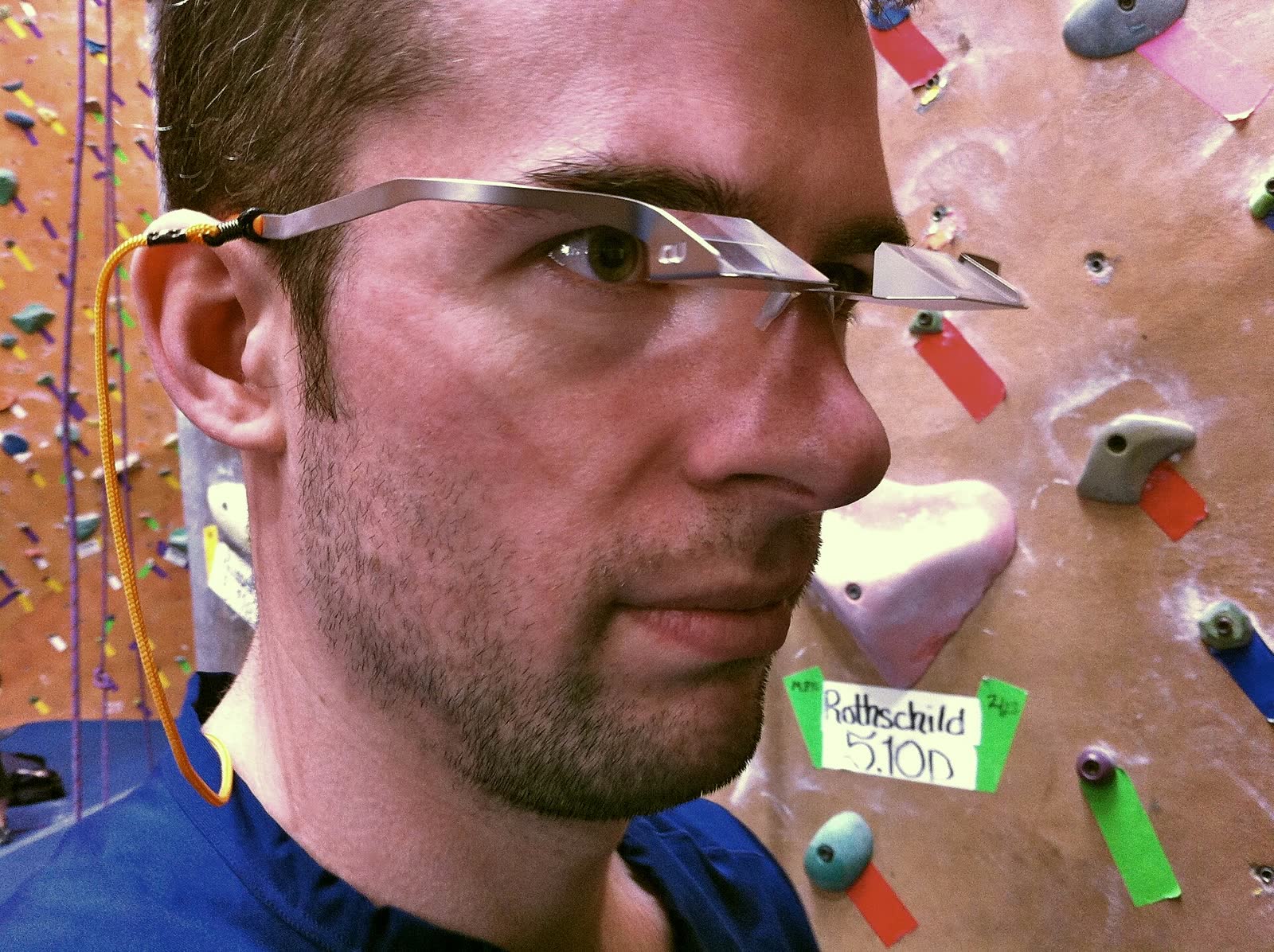
The glasses were the surprise. “Visitors also receive a pair of plastic glasses which have a unique quasi-periscopic lens that reflects the upper periphery of the viewer’s sightline back into the center of the visual field.” Because “signs and statements are presented backwards at various junctures on the ceilings”, the lenses turned them into “allusive captions and subtexts”.
Brady put the effect simply: Hardman “challenges audiences to become both actor and observer.” That was the idea behind what Antenna meant by an audient.
Room by room
| Stage | What the audient met |
|---|---|
| 1. The lesson | “a didactic explanation of Walkmanology and the genesis of the name Antenna Theater” |
| 2. Re-created scenes | Dim rooms of toylike sculptures; the visitor cast as detective, reporter or flaneur |
| 3. The history | From Sausalito protests to Snake Theater to Antenna |
| 4. The masks | “expressionistic masks that have been used in various past productions” |
In the second sequence the visitor became “a detective in quest of clues, a news reporter who commits on-the-air suicide, or a postmodern flaneur who has stumbled onto some perplexing incongruity.” Artweek does not say which productions those rooms came from. The point, for van Proyen, was that “we become aware of how daily behavior is ‘scripted’ in the textualist sense of the word”.
Then came history. “The next sequence of rooms is devoted to the history of Antenna Theater, which began as a series of guerrilla protests against development in Sausalito during the late 1970s.” That compresses the story of Snake Theater, the company before Antenna. Artweek singled out Vacuum, Artery, the Walkman piece of 1982-84 and “On Site”, its spelling of On Sight in Sausalito.
Last were the masks: “One of the most striking components of Making Waves is the collection of expressionistic masks that have been used in various past productions.” Their background is in the history of mask theatre and Antenna’s masks.
What the house remembered
Brady quoted two lines from the Artery vignette: “You are here because you are not somewhere else,” and “You are you because you are not someone else.” She added: “Hardman doesn’t explain; he leaves you to experience the truth of them for yourself.”
She recalled Etiquette of the Undercaste and the Columbus piece staged “on-site at Fort Cronkhite in 1992, as Antenna Theater re-created the landing of Columbus in 1492”, told in The Appearance of Civilization. The show also covered Hardman’s early-1980s run for Sausalito City Council: he “even ran for office once, but his slogan, ‘A Hardman is good to find,’ didn’t get him elected.”
Brady had a stake: she was one of the playwrights on Amnesia, and wrote: “One of my favorite works didn’t make it into the Waves loop.” Falkirk was not new ground either. In August 1982, figures from Moving Sculptures, Antenna’s plywood neighbours and their models were due on show there.
What the critics said
Brady was warm: “Making Waves is a jolly exercise in self-promotion that makes for an entertaining walkabout at the Falkirk Cultural Center.” Van Proyen admired the transformation but had one complaint: “The only problem in Making Waves is the awkward shift from evocative to documentary syntax that occurs at about the midpoint of the audient’s exploration of the installation.”
He forgave it, since “the exhibition is consecrated to a life’s work, so the poetic dangers of over-synopsis seem to be built into the inception of the project itself.” Artweek mentions a catalogue essay, which the Journal could not find. Antenna’s other gallery work is gathered in Antenna’s exhibitions and artifacts, and the wider form in how Making Waves fits the history of museum theatre.
Frequently asked questions
Why was it at Falkirk?
It marked Hardman’s receipt of Falkirk’s fourth annual LifeWork award, given for outstanding contributions to the cultural life of Marin County.
What were the glasses for?
Artweek reported plastic glasses with a periscope-like lens that reflected the ceiling into view, so texts painted backwards overhead read as captions.
Who curated it?
Guest curator Cameron Cartiere and Falkirk director Carol Adney, according to Artweek.
Are there photographs of the exhibition?
None survives in the site’s archive. The record is two April 1994 reviews and the company’s own pages.
Making Waves sits among four decades of work in Antenna Theater’s full production chronology.